
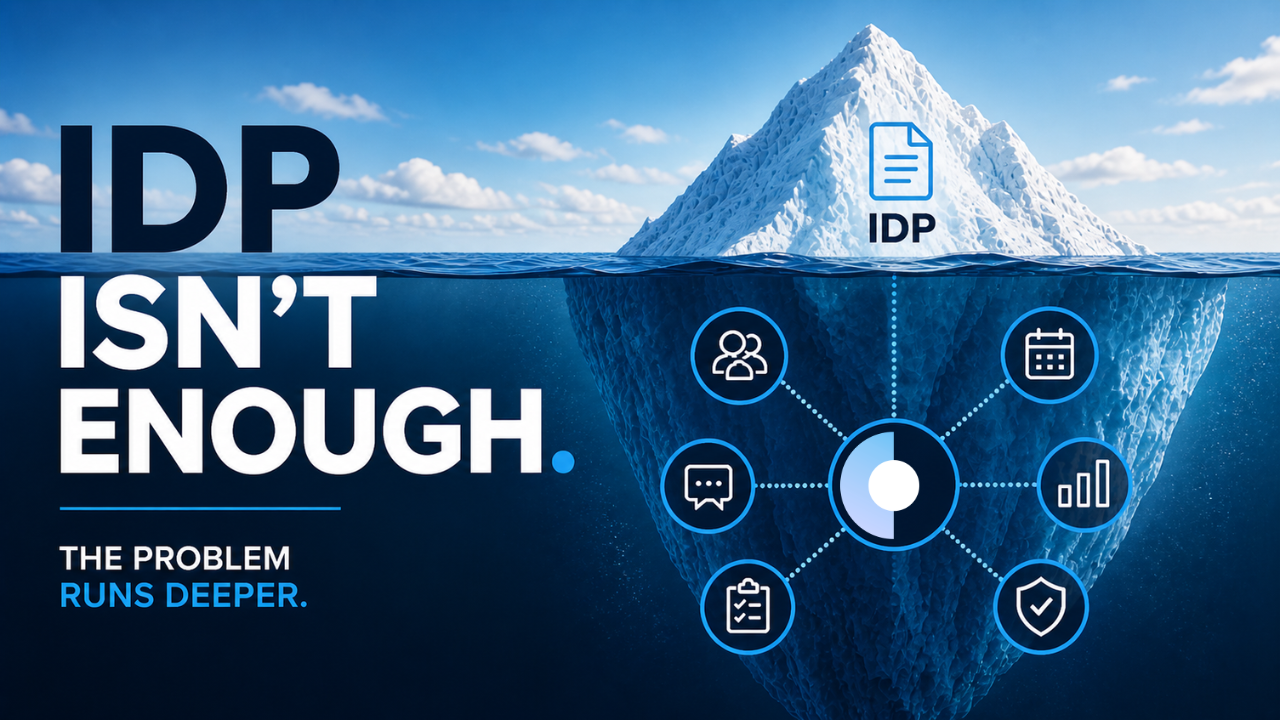
Intelligent document processing has its place. In healthcare, work often starts as a fax, form, email, upload, or message that has to be classified, understood, matched to the right patient, and routed to the right team. That is exactly where IDP shines: it helps turn messy, unstructured inputs into structured, readable work. Calvient’s own intake and agentic AI handles this elegantly: centralize inbound work, classify it, extract key details, and route it with context.
But in healthcare operations, that is only the beginning.
A referral is not complete because a document was read. It is complete when missing information is chased down, the packet is validated, the right owner has the case, scheduling moves forward, provider communication stays visible, and the consult note comes back. A prior auth is not done because fields were extracted. It is done when the packet is assembled, benefits are verified, the payer workflow is completed, follow-up is tracked, and exceptions are surfaced with full context. A records request is not finished when... you get the point.
That is the limitation of IDP-only thinking. It assumes the hard part is reading the document. In reality, the hard part is everything that comes next.
The Problem With Point Solutions
Healthcare operations are already fragmented. Staff move between the EHR, fax inboxes, payer portals, phone systems, spreadsheets, email, scheduling tools, and internal task trackers. Adding another narrow point solution can sometimes create more complexity instead of less.
An IDP-only vendor may extract information from a document, but then what? A communication tool may send messages, but does it understand the broader workflow? A scheduling solution may help book visits, but does it know whether the referral packet is complete? A reporting tool may show backlog, but can it help resolve the work causing that backlog?
This is the problem with solving healthcare operations one isolated use case at a time. The organization may improve one step, but the end-to-end process remains broken. Teams still have to reconcile systems, transfer context manually, and manage the gaps between tools.
IDP is the Front Door, Not the Whole House
Yes, the front door matters, and we've got a pretty good one. Our intake layer brings together fax, email, forms, and other inbound signals into one queue. It preserves timestamps, sender details, and attachments; identifies likely patient, workflow, source, and urgency; extracts operational details like payer and due date; and routes work to the right queue or owner. Staff do not have to start with a mystery document. They start with context.
However, this is only the start of the workflow. At Calvient, we set out to make sure healthcare teams have the tools they need to both read work and run the work. Rather than having to ask, "Now what?" we want teams able to confidently state "Now done."
The Execution Layer That IDP Alone Cannot Provide
Calvient’s agentic AI is built to take action, not just answer questions. Agents are trigger-based, analyze context, act within configured sequences, and hand off to staff when judgment is needed. That includes agents that classify inbound documents, chase missing information, escalate urgent cases, validate referral completeness, submit and follow up on prior auths, verify insurance, send reminders, nudge incomplete paperwork, and close stalled follow-up loops.
This matters because healthcare operations are full of work that does not end after a document is processed. An IDP-only solution may identify the information inside a document. Calvient helps teams act on it.
We also believe automation should be practical and safe. The goal is not to remove humans from every decision. The goal is to remove repetitive administrative friction, surface the right context, and make sure staff know exactly where judgment is needed.
Visibility for Leaders, Not Just Automation for Teams
A point solution may show how many documents were processed or how many messages were sent. But leaders need to understand the bigger operational picture. Where is work getting stuck? Which queues are aging? Which teams are overloaded? Which workflows are creating the most exceptions? Which tasks are being handled by AI, and which require staff attention?
Calvient’s reporting layer is designed to give leaders visibility into inbox volume, backlog, queue health, turnaround time, communication outcomes, appointment readiness, and agent activity. That kind of visibility is hard to achieve when every workflow lives in a separate vendor system.
Built to Fit Healthcare Environments
There might be a certain sex appeal to some of the point solutions out there, but in practice, it is essential that these solutions fit cleanly into existing environments and actually help teams operate more efficiently rather than creating new work to manage.
Calvient is built to work alongside existing EHR and operational systems rather than forcing a rip-and-replace approach. We understand that healthcare teams already depend on critical systems of record. Our role is to help unify the operational work around those systems, reduce manual coordination, and create a more complete view of what needs to happen next.
We also know that trust matters. Healthcare automation requires strong controls, clear audit trails, appropriate access, and transparent AI activity. Teams need to know what happened, who touched the work, what the AI did, and when a human reviewed or intervened. The truth is always apparent. No guesswork and no confusion.
The Bottom Line: IDP is Necessary, But Not Sufficient
We say all this to say no, IDP is not enough. It is a foundational piece of the Jenga tower of healthcare operations solutions, but teams need more than one piece. Beyond document extraction, teams need context, ownership, orchestration, communication, and, execution. Most importantly, these capabilities need to work together.
That is what we have built at Calvient: a one-stop-shop for healthcare operations that helps teams move from messy inputs to completed work. Not just another dashboard. Not just another document tool. Not another point solution that forces organizations to manage yet another vendor relationship.
Healthcare doesn't need new fancy tools. It needs finished work.